
Insight · 2026
Weed control in wheat and cotton: Pakistan's hidden yield loss


Insight · 2026
Weed control in wheat is one of the quieter levers on Pakistan's food security. Weeds, climate extremes and rising input costs are all putting pressure on farm productivity, and weeds take yield from two crops that matter to growers across the country: wheat and cotton.
This article sets out what the estimates say about losses, which weeds growers face, and why resistance and labour costs are changing how weeds are managed. It also explains how Fertivero is approaching the problem. The research is in development, and nothing is sold before it is registered.
Estimates put total grain losses across all major crops at approximately 2.5 to 3.5 million tonnes in 2025–2026. Estimates also suggest that 7.5 million people faced acute food insecurity in late 2025, improving only slightly to 6.7 million in 2026 as floods, drought and economic pressure continued.
Weeds are only one cause of loss, but they are one that growers can act on. Better weed management is a practical way to hold more of each crop in the field. Weeds compete with the crop for water, nutrients and light, so a field that loses ground to weeds gives less grain for the same land, seed and inputs.
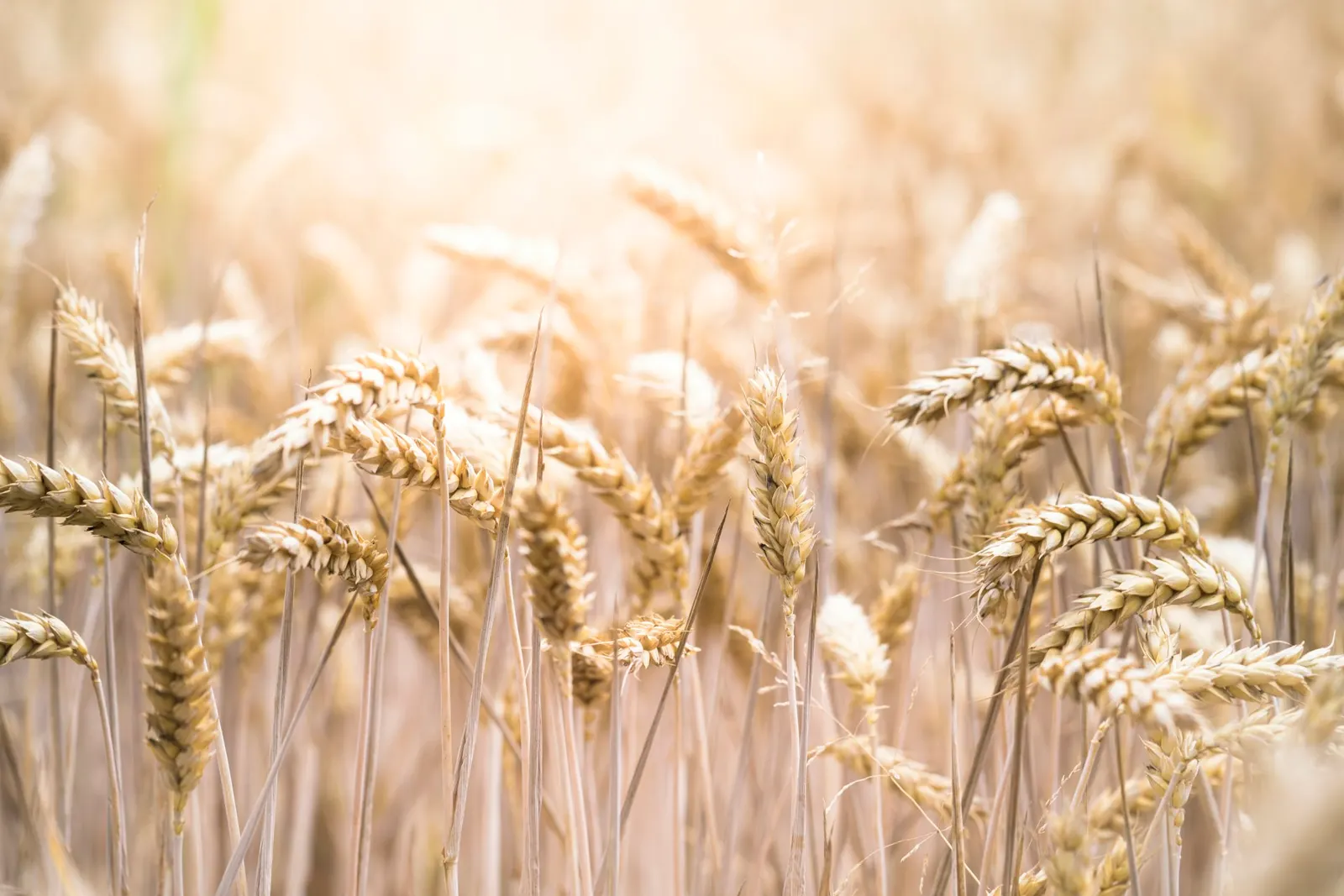
Wheat is Pakistan's staple crop. Estimates put production at about 29 million tonnes, slightly above average but 8% lower than the year before because the planted area was reduced.
Estimates also suggest that poor weed control alone causes wheat yield losses of 17–25%, and that severe infestations can reduce yields by 20–60%. The ranges are wide because the loss depends on which weeds are present, how dense they are and when they emerge compared with the crop.
For a grower, the practical message is simple. The loss is easy to miss at harvest, because the grain that weeds displace is never counted. Scouting early and recording what you find, field by field, turns a vague worry into a figure you can act on.
Punjab produces about 76% of Pakistan's wheat, so its weed pressure shapes the national picture. The major weeds include both grassy and broadleaf species.
Grassy and broadleaf weeds are often managed differently, so a field needs to be scouted before any decision is made. For any product, follow the registered label and local extension advice.
Cotton is equally exposed. Estimates suggest that uncontrolled weeds typically reduce cotton yield by 15–30%. Pakistan's 2025–26 cotton crop recorded an overall production loss of about 34% against the official national target, and weeds are one of several pressures on the crop.
Cotton weeds compete for nitrogen, phosphorus, potassium, water and sunlight. They can stunt growth, reduce boll formation and harbour pests and diseases. Key species include:
Timely control is critical in both crops. A weed that is controlled late has already taken water, nutrients and light from the crop, and that loss cannot be recovered.
The right timing depends on the crop, the weed species, the growth stage and local conditions. We do not give timing, product or spray set-up advice in general articles. Follow the registered label and local extension advice.
Herbicide resistance is a growing threat, particularly glyphosate-resistant pigweed. Labour shortages add to the pressure, and manual weeding can cost up to PKR 200,000 on large farms. Together these make conventional weed management increasingly hard to sustain.
Chemical spending is also significant. Estimates suggest that Pakistan likely spent USD 180–230 million on herbicide imports in 2025–2026, based on historical HS-code import patterns. It is an estimate, not a customs total, but it shows why tools that reduce chemical use while keeping control are worth developing.
Resistance is a reason to widen the toolkit. Rotating modes of action, combining non-chemical methods and treating only where weeds are present all reduce the selection pressure that builds resistance. None of these replaces the label, which stays the rule for any product.
Fertivero is developing AI-enabled precision weed management. Sensor-based weed detection and site-specific application are designed to treat only weed-affected areas rather than whole fields. The aim is to lower herbicide volume, protect soil and beneficial vegetation, and ease selection pressure for resistance. Fertivero is also working with a non-chemical, laser-based approach to weed control.
In research, our team is evaluating the phenylpyrazoline herbicide family, aimed at difficult grassy and broadleaf weeds in wheat and cotton. It is research, not a registered product. Every candidate goes through laboratory, greenhouse and multi-location field testing, and is registered with the Department of Plant Protection before sale. Registered before sold.
Our motto is "Higher Performance, Lesser Print": better weed control with a lighter chemical footprint. If you grow wheat or cotton in Pakistan and want to share what you see in your fields, write to info@fertivero.com.
R&D partners — partners@fertivero.com
All insights